
India’s Circular Economy Outlook
From waste-to-wealth, innovation, and green jobs - India’s journey toward sustainable growth and resilient value chains.
At a Glance
+$2 Trillion
Projected circular economic value by 2050 [PIB]
10 Million
Green jobs creation by 2050 [PIB]
24%
Resource efficiency improvement targeted by 2030
20%
Reduction in water consumption by 2050
India’s Circular Vision: Waste to Wealth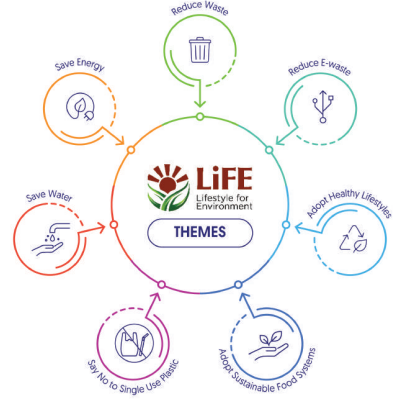
India’s circular economy transition is reshaping its development narrative. Anchored in Mission LiFE, Swachh Bharat, and the National Resource Efficiency Policy (NREP), the country is integrating circular design, green entrepreneurship, and extended producer responsibility (EPR) into its industrial fabric.
To achieve the aforementioned targets, India is working strategically towards increasing its renewable energy capacity, increasing the uptake of electric vehicles (EVs), investing in green fuels, introducing resource and material efficiency policy into industry, scaling up effective sanitation and waste management systems. We have to dematerialise for a sustainable Circular Economy.
Circular Opportunities Across Sectors
- Agriculture: bio-composting and waste-to-biofuel clusters
- Construction: recycled materials and low-carbon cement startups
- Consumer goods: refill, repair, and return ecosystems
- Textiles: fiber-to-fiber regeneration and resale platforms
Signals for Business Leaders
+45%
Increase in India’s recycling capacity (2019–2025)
80%
Product lifecycle emissions determined at design phase
450,000+
New jobs in circular manufacturing and recycling sectors
Aligned with India’s Net Zero 2070 and LiFE frameworks
50%
Power mix from renewables by 2030
28%
Current municipal solid waste recycled - potential to grow

